

As a supplier of wall panels, I've often been asked whether wall panels affect the temperature in a room. This is a fascinating question that combines the worlds of interior design and thermodynamics. In this blog, I'll explore the various ways wall panels can influence room temperature, backed by scientific knowledge and industry experience.
Insulation Properties of Wall Panels
One of the primary ways wall panels can affect room temperature is through their insulation capabilities. Different materials have different insulation values, which are measured in terms of their R - value. A higher R - value indicates better insulation, meaning the material is more effective at reducing the transfer of heat.
For example, foam - based wall panels are known for their excellent insulation properties. Foam has a high R - value because it contains a large number of small air pockets. Air is a poor conductor of heat, so these pockets act as barriers to heat transfer. When installed on the walls of a room, foam wall panels can prevent heat from escaping during the winter and keep unwanted heat from entering during the summer.
On the other hand, wooden wall panels have a lower R - value compared to foam panels. Wood is a natural material, and while it does provide some insulation, it is not as effective as foam. However, solid wood panels can still help regulate room temperature to some extent. They have a certain thermal mass, which means they can absorb and store heat. During the day, when the room is warm, the wood absorbs heat, and at night, it releases the stored heat back into the room, helping to maintain a more stable temperature.
Surface Area and Heat Exchange
The surface area of wall panels also plays a role in heat exchange. Wall panels with a larger surface area can increase the amount of heat transfer between the room and the outside environment. For instance, some wall panels have a textured or embossed surface. This increases the surface area compared to a smooth - surfaced panel.
A larger surface area allows for more contact between the panel and the air in the room. As a result, heat can be transferred more efficiently between the panel and the air. In the winter, if the outside temperature is cold, a wall panel with a large surface area may transfer more heat from the room to the outside, making the room colder. Conversely, in the summer, it may transfer more heat from the outside into the room, making it warmer.
However, this effect can be mitigated by using wall panels with good insulation properties. Even if the surface area is large, if the panel has a high R - value, it can still prevent excessive heat transfer.
Color and Heat Absorption
The color of wall panels is another factor that affects room temperature. Dark - colored wall panels absorb more heat than light - colored ones. This is because dark colors have a higher absorption coefficient for visible light. When sunlight or artificial light hits a dark - colored panel, more of the light energy is converted into heat energy.
In a room with south - facing windows, for example, dark - colored wall panels can absorb a significant amount of solar heat during the day. This can make the room uncomfortably warm, especially in the summer. On the other hand, light - colored wall panels reflect more light and absorb less heat. They can help keep the room cooler in sunny conditions.
It's important to consider the orientation of the room and the climate when choosing the color of wall panels. In colder climates, dark - colored panels may be beneficial in the winter as they can absorb and retain heat. But in warmer climates, light - colored panels are usually a better choice.
Air Circulation and Wall Panels
Wall panels can also impact air circulation in a room, which in turn affects temperature. If wall panels are installed in a way that restricts air movement, it can lead to temperature stratification. This means that the temperature near the ceiling may be significantly different from the temperature near the floor.
For example, if wall panels are installed too close to the ceiling, they can block the natural upward movement of warm air. As a result, the warm air accumulates near the ceiling, and the lower part of the room remains cooler. This can make the room feel less comfortable and may also increase energy consumption as the heating or cooling system has to work harder to maintain a uniform temperature.
To avoid this problem, proper installation of wall panels is crucial. There should be enough space between the panels and the ceiling to allow for air circulation. Additionally, some wall panels are designed with ventilation channels or perforations to promote air movement.
Practical Examples and Products
In our product range, we offer a variety of wall panels that can have different effects on room temperature. For those looking for high - insulation options, our foam - based wall panels are a great choice. They can significantly reduce heat transfer and help maintain a comfortable room temperature all year round.
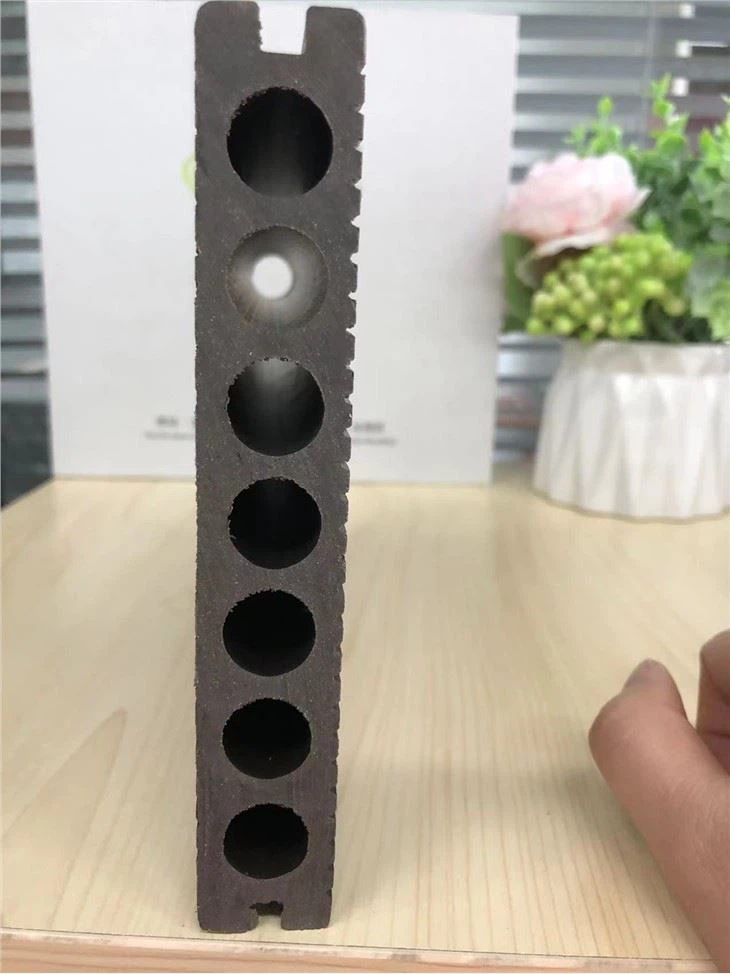

We also have wooden wall panels that add a natural and warm aesthetic to the room. While they may not have the same insulation capabilities as foam panels, they can still contribute to temperature regulation through their thermal mass.
If you're interested in other related products, we also offer Embossed Pattern Flooring 146*23mm Round Hole, which can be used in conjunction with wall panels to create a cohesive interior design. Our Balcony Waterproof 3D WPC flooring is suitable for outdoor or semi - outdoor areas and has good durability and water - resistance. And for those in need of railing solutions, our Waterproof Long Lasting Landscape Commercial and Residential WPC Composite Railing is a reliable option.
Conclusion and Call to Action
In conclusion, wall panels can have a significant impact on the temperature in a room. Their insulation properties, surface area, color, and effect on air circulation all play important roles in heat transfer and temperature regulation. By carefully choosing the right type of wall panels based on the room's orientation, climate, and personal preferences, you can create a more comfortable and energy - efficient living or working environment.
If you're interested in learning more about our wall panels or other products, or if you have any questions regarding how they can affect room temperature, we'd love to hear from you. Feel free to reach out to us to discuss your specific needs and start a procurement negotiation. We're committed to providing high - quality products and excellent service to our customers.
References
- "Thermal Insulation: Principles and Practice" by R. H. Crawford
- "Building Physics: Heat, Air and Moisture" by Joseph Lstiburek and John Carmody
- "Interior Design: Concept to Completion" by Denise B. Kakudji


