

As a supplier of WPC wall cladding, I often get asked about the fire - spread resistance of our products. This is a crucial aspect, especially considering the safety requirements in construction and interior design. In this blog, I'll dig deep into whether WPC wall cladding has good fire - spread resistance.
What is WPC Wall Cladding?
WPC stands for Wood - Plastic Composite. It is a material made by combining wood fibers or flour with thermoplastics, along with additives such as lubricants, stabilizers, and colorants. WPC wall cladding is a popular choice for both interior and exterior applications due to its durability, low maintenance, and aesthetic appeal. It can mimic the look of natural wood while offering better resistance to moisture, insects, and rot.
Fire - Spread Resistance: The Basics
Fire - spread resistance refers to a material's ability to prevent or slow down the spread of fire. When a fire breaks out, materials with good fire - spread resistance can help contain the fire to a specific area, giving people more time to evacuate and firefighters more time to control the blaze. Building codes and regulations often have strict requirements for the fire - spread resistance of materials used in construction, especially in public buildings, residential areas, and commercial spaces.
Factors Affecting the Fire - Spread Resistance of WPC Wall Cladding
1. Composition
The proportion of wood fibers and plastics in WPC wall cladding plays a significant role in its fire - spread resistance. Wood is a combustible material, and plastics can also burn. However, the way they are combined and the additives used can influence how the material behaves in a fire. For example, some WPC products are formulated with fire - retardant additives. These additives work by releasing chemicals when exposed to heat, which can either cool the material, dilute the flammable gases, or form a protective char layer on the surface of the material.
2. Thickness
The thickness of the WPC wall cladding can also impact its fire - spread resistance. Thicker cladding generally has better insulation properties, which can slow down the transfer of heat through the material. This means that it takes longer for the fire to penetrate the cladding and reach the underlying structure. However, it's important to note that thickness alone is not a guarantee of good fire - spread resistance. The composition and quality of the material are also crucial factors.
3. Installation Method
Proper installation is essential for ensuring the fire - spread resistance of WPC wall cladding. Gaps between the cladding panels can allow fire and smoke to spread more easily. Additionally, the type of fasteners used and the way the cladding is attached to the wall can affect its performance in a fire. For example, using non - combustible fasteners and ensuring a tight fit between the panels can improve the overall fire - spread resistance of the installation.
Testing and Certification
To determine the fire - spread resistance of WPC wall cladding, it is typically tested according to relevant standards. One of the most commonly used tests is the ASTM E84 test in the United States, which measures the surface burning characteristics of building materials. The test assigns a Class A, B, or C rating to the material based on its flame spread index (FSI) and smoke developed index (SDI). Class A materials have the lowest FSI and SDI values, indicating the best fire - spread resistance.
Many WPC wall cladding products on the market have undergone such tests and obtained certifications. When choosing WPC wall cladding, it's important to look for products that have been tested and certified to meet the local fire safety standards. This can give you peace of mind knowing that the material has been proven to perform well in a fire situation.
Real - World Performance
In real - world scenarios, the fire - spread resistance of WPC wall cladding can vary depending on the specific circumstances. For example, if the cladding is exposed to a large and intense fire, its performance may be different compared to a small, contained fire. However, in general, WPC wall cladding with proper fire - retardant additives and installation can provide a good level of fire - spread resistance.
There have been cases where WPC wall cladding has helped to prevent the spread of fire in buildings. For instance, in a small residential fire, the WPC wall cladding on the exterior of the house acted as a barrier, slowing down the fire and allowing the occupants to safely evacuate. In commercial buildings, WPC wall cladding with high - quality fire - retardant properties has been used to meet the strict fire safety requirements of the building codes.
Comparing WPC Wall Cladding with Other Materials
When it comes to fire - spread resistance, how does WPC wall cladding compare with other commonly used wall cladding materials?
1. Natural Wood
Natural wood is a combustible material, and it has a relatively high flame spread index. Without proper treatment, wood can burn quickly and contribute to the spread of fire. In contrast, WPC wall cladding with fire - retardant additives can have a much lower flame spread index, making it a safer choice in terms of fire - spread resistance.
2. Vinyl Cladding
Vinyl cladding is also a popular choice for wall cladding. While vinyl is not as combustible as wood, it can melt and release toxic gases when exposed to high temperatures. WPC wall cladding, especially those with good fire - retardant properties, can offer better fire - spread resistance and may produce less toxic smoke compared to vinyl cladding.
Our WPC Wall Cladding Products and Fire - Spread Resistance
At our company, we are committed to providing high - quality WPC wall cladding products with excellent fire - spread resistance. Our products are formulated with advanced fire - retardant additives, which have been carefully selected to ensure optimal performance in a fire situation. We conduct regular testing to ensure that our products meet or exceed the relevant fire safety standards.
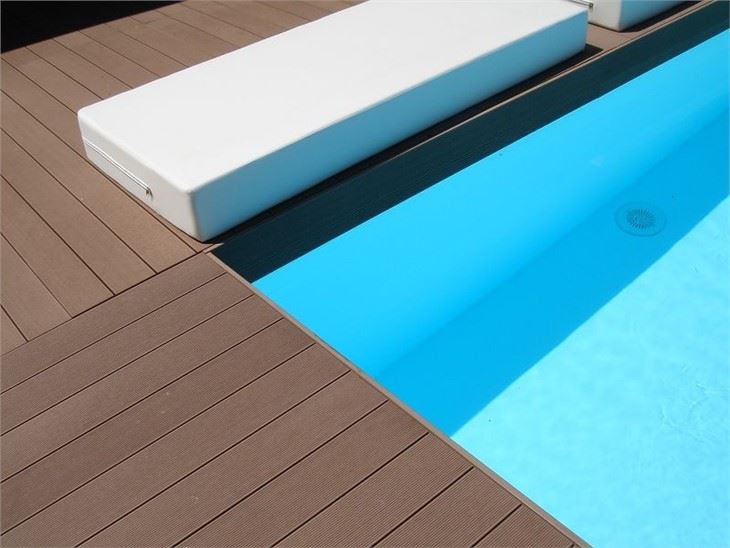

In addition to our wall cladding, we also offer a range of other WPC products, such as the Anti - slip Deep Embossed Composite Deck, Anti - acid Rain Corrosion Wood Plastic Wide Hollw Flooring 295*24mm, and Solid Green and Eco - Friendly Outside WPC Composite flooring. These products are also designed with safety and durability in mind, and they can be a great addition to any construction or renovation project.
Conclusion
In conclusion, WPC wall cladding can have good fire - spread resistance, especially when it is formulated with fire - retardant additives, has an appropriate thickness, and is installed correctly. Our products at our company are a testament to this, offering a safe and reliable option for both interior and exterior wall cladding applications.
If you are interested in our WPC wall cladding or other WPC products, we encourage you to contact us for more information. We are always happy to discuss your specific needs and provide you with the best solutions for your project. Whether you are a contractor, architect, or homeowner, we can work with you to ensure that you get the high - quality WPC products that meet your requirements.
References
- ASTM International. (2023). ASTM E84 - Standard Test Method for Surface Burning Characteristics of Building Materials.
- National Fire Protection Association. (2023). NFPA 220 - Standard on Types of Building Construction.
- Wood - Plastic Composite Association. (2023). Technical Report on the Fire Performance of WPC Materials.


