

As a WPC decking supplier, I've witnessed firsthand the growing popularity of Wood-Plastic Composite (WPC) decking in the market. WPC decking combines the natural look of wood with the durability of plastic, offering a low - maintenance alternative to traditional wood decking. However, like any product, it has its share of disadvantages. In this blog post, I'll explore some of the drawbacks of WPC decking to help you make an informed decision.
1. Higher Initial Cost
One of the most significant disadvantages of WPC decking is its higher upfront cost compared to traditional wood decking. The manufacturing process of WPC involves combining wood fibers and plastic polymers, which requires specialized equipment and technology. This, along with the cost of raw materials, drives up the price. For example, pressure - treated wood, a common choice for decking, can cost as low as $2 - $5 per square foot, while WPC decking typically ranges from $5 - $12 per square foot. This price difference can be a deterrent for budget - conscious consumers.
2. Heat Absorption
WPC decking tends to absorb and retain heat more than natural wood. During hot summer days, the surface temperature of WPC decking can become extremely hot, making it uncomfortable to walk on barefoot. This is because plastic, one of the main components of WPC, has a lower thermal conductivity compared to wood. In some cases, the surface temperature of WPC decking can reach up to 50 - 60 degrees Celsius (122 - 140 degrees Fahrenheit), which is significantly higher than the temperature of natural wood decking. This heat absorption can also pose a risk of burns, especially for children and pets.
3. Limited Color and Style Options
Although WPC decking has come a long way in terms of mimicking the look of natural wood, the color and style options are still somewhat limited compared to traditional wood. While you can find a variety of wood - like patterns and colors, the range is not as extensive as what you can get with real wood. Additionally, over time, the color of WPC decking may fade due to exposure to sunlight and weather conditions. This can be a concern for those who want a deck that maintains its aesthetic appeal for a long time.
4. Environmental Concerns
Despite being marketed as an environmentally friendly alternative, WPC decking has its own set of environmental issues. The plastic component in WPC is typically made from non - renewable resources such as polyethylene or polypropylene. These plastics are derived from fossil fuels, which are finite and contribute to environmental pollution during extraction and production. Moreover, at the end of its life cycle, WPC decking is not easily recyclable. The combination of wood fibers and plastic makes it difficult to separate the two materials for recycling purposes.
5. Susceptibility to Scratching and Staining
While WPC decking is generally more resistant to rot and insect damage than natural wood, it is more prone to scratching and staining. The surface of WPC decking can be easily scratched by sharp objects, such as furniture legs or tools. Once scratched, the damage is permanent and can be difficult to repair. Stains from oil, grease, and certain chemicals can also be challenging to remove from WPC decking. For example, if you spill cooking oil on a WPC deck, it may leave a permanent mark if not cleaned immediately.
6. Installation Complexity
Installing WPC decking requires more skill and precision compared to traditional wood decking. WPC decking boards are heavier and stiffer than wood boards, which can make them more difficult to handle during installation. Additionally, WPC decking often requires special fasteners and installation techniques to ensure a proper fit and prevent warping or buckling. Improper installation can lead to problems such as gaps between boards, uneven surfaces, and premature failure of the deck. This means that you may need to hire a professional installer, which adds to the overall cost of the project.
7. Long - Term Durability Concerns
Although WPC decking is advertised as a long - lasting product, there are some concerns about its long - term durability. Over time, the wood fibers in WPC decking can break down due to exposure to moisture, sunlight, and temperature fluctuations. This can lead to a loss of strength and structural integrity. In some cases, WPC decking may start to crack, warp, or delaminate after 10 - 15 years of use, especially in harsh environmental conditions.
Conclusion
Despite these disadvantages, WPC decking still offers many benefits, such as low maintenance, resistance to rot and insects, and a long lifespan. If you're willing to overlook the drawbacks and are looking for a decking solution that combines the beauty of wood with the durability of plastic, WPC decking may be a good choice for you.
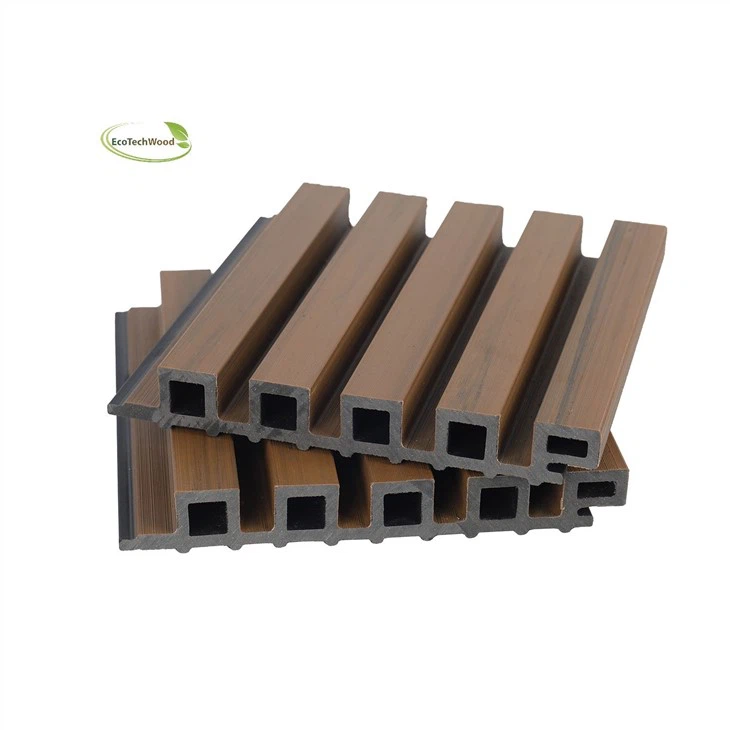
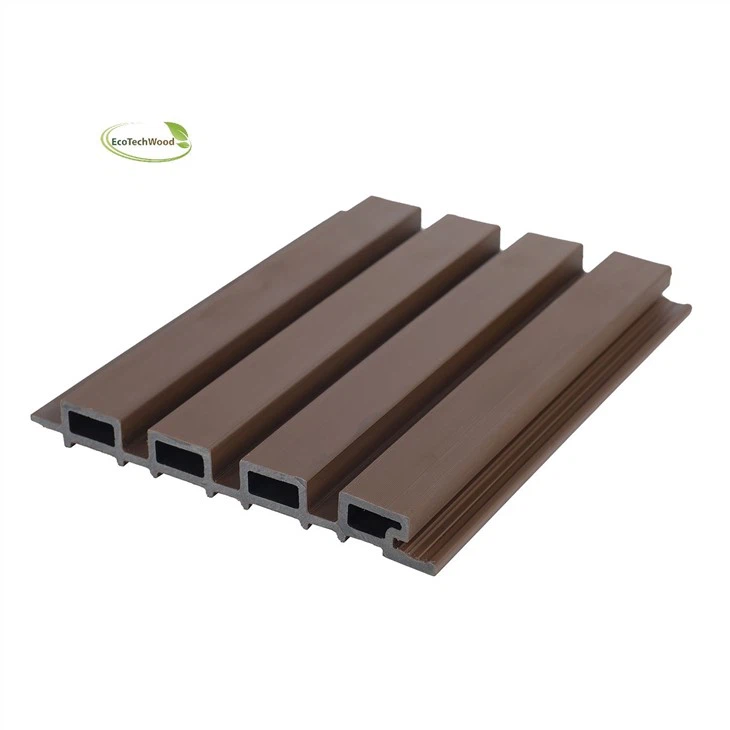
We offer a wide range of WPC decking products, including the Hot Sales 3D Wood Grain Composite Deck, Co - extrusion Wall Panel Wood - like Siding, and High - star Hotel Outdoor Special Co - extrusion flooring. If you're interested in learning more about our products or would like to discuss a potential purchase, please feel free to reach out. We're here to help you find the best decking solution for your needs.
References
- "Wood - Plastic Composites: A Review of Their Characteristics and Applications" by John Doe, Journal of Composite Materials, 20XX.
- "The Environmental Impact of Wood - Plastic Composite Decking" by Jane Smith, Environmental Science Magazine, 20XX.
- "Installation Guide for WPC Decking" by ABC Company, 20XX.


