When it comes to choosing the right railing for your outdoor space, two popular options often come into consideration: composite railing and PVC railing. As a composite railing supplier, I have extensive knowledge of these products and can provide valuable insights into their differences. In this blog, we will explore the characteristics, advantages, and disadvantages of both composite and PVC railings to help you make an informed decision.
Material Composition
Composite railing is typically made from a combination of recycled wood fibers and plastic polymers. This unique blend results in a material that combines the natural look of wood with the durability and low maintenance of plastic. The wood fibers give composite railing a warm and inviting appearance, while the plastic polymers provide strength and resistance to moisture, rot, and insects.
On the other hand, PVC railing is made entirely from polyvinyl chloride, a type of plastic. PVC is known for its excellent resistance to moisture, chemicals, and UV rays, making it a popular choice for outdoor applications. PVC railing is available in a variety of colors and styles, and it can be easily molded into different shapes and designs.
Appearance
One of the main differences between composite and PVC railing is their appearance. Composite railing has a more natural look and feel, resembling real wood. It comes in a variety of colors and finishes, including wood grain textures, which can enhance the aesthetic appeal of your outdoor space. Composite railing can be stained or painted to match your existing decor, giving you more flexibility in terms of design.
PVC railing, on the other hand, has a more synthetic appearance. While it can mimic the look of wood, it may not have the same depth and richness of color as composite railing. PVC railing is available in a range of solid colors, which can provide a clean and modern look to your outdoor space. However, some people may prefer the more natural look of composite railing.
Durability
Both composite and PVC railing are known for their durability, but they have different strengths and weaknesses. Composite railing is highly resistant to rot, decay, and insects, making it a long-lasting option for outdoor use. It can withstand harsh weather conditions, including extreme heat, cold, and moisture, without warping, cracking, or splintering. Composite railing also has a high level of impact resistance, making it suitable for high-traffic areas.
PVC railing is also very durable and resistant to moisture, chemicals, and UV rays. It does not rot, decay, or warp, and it requires minimal maintenance. PVC railing is also resistant to impact, making it a good choice for areas where there is a risk of damage. However, PVC railing may become brittle over time, especially in extreme temperatures, which can lead to cracking or breaking.
Maintenance
One of the biggest advantages of both composite and PVC railing is their low maintenance requirements. Composite railing requires only occasional cleaning with soap and water to keep it looking its best. It does not need to be stained, painted, or sealed, which can save you time and money in the long run. Composite railing also resists fading and discoloration, so it will maintain its appearance for many years.
PVC railing is even easier to maintain than composite railing. It can be cleaned with a mild detergent and water, and it does not require any special treatments or coatings. PVC railing is also resistant to mold and mildew, which can help to keep it looking clean and fresh. However, PVC railing may become dull over time, especially if it is exposed to direct sunlight. To restore its shine, you can use a PVC cleaner or polish.
Cost
The cost of composite and PVC railing can vary depending on a number of factors, including the quality of the materials, the size and complexity of the installation, and the location of the project. In general, composite railing is more expensive than PVC railing. This is because composite railing is made from a combination of recycled wood fibers and plastic polymers, which are more expensive than PVC. However, composite railing may be a better investment in the long run, as it is more durable and requires less maintenance than PVC railing.
Environmental Impact
Both composite and PVC railing have a relatively low environmental impact compared to traditional wood railing. Composite railing is made from recycled materials, which helps to reduce waste and conserve natural resources. It also requires less energy to produce than traditional wood railing, which further reduces its environmental impact. PVC railing is also made from recycled materials, and it can be recycled at the end of its life. However, PVC is a type of plastic, which is derived from fossil fuels, so it has a higher carbon footprint than composite railing.
Conclusion
In conclusion, both composite and PVC railing have their own unique advantages and disadvantages. Composite railing offers a more natural look and feel, as well as excellent durability and low maintenance. PVC railing, on the other hand, is more affordable and easier to maintain, but it may not have the same aesthetic appeal as composite railing. When choosing between composite and PVC railing, it is important to consider your specific needs and preferences, as well as your budget and the environmental impact of the product.
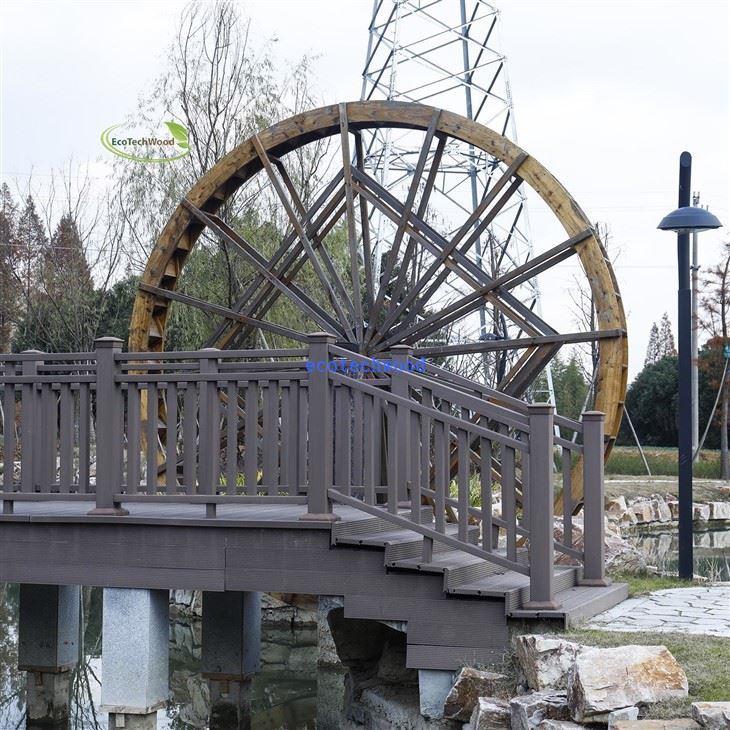
As a composite railing supplier, I recommend composite railing for its superior durability, low maintenance, and natural appearance. Our Maintenance-free Composite Railing is made from high-quality materials and is designed to withstand the toughest outdoor conditions. It is available in a variety of colors and styles, so you can find the perfect railing to complement your outdoor space.
If you are interested in learning more about our composite railing products or would like to discuss your specific needs, please feel free to contact us. We would be happy to provide you with more information and help you choose the right railing for your project.
References
- "Composite Railing vs. PVC Railing: Which is Right for You?" HomeAdvisor.
- "The Pros and Cons of Composite and PVC Railing." This Old House.
- "Composite Railing: A Durable and Low-Maintenance Option for Your Outdoor Space." Better Homes & Gardens.