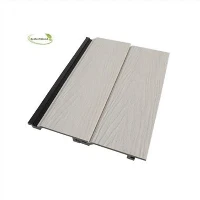
Hey there! I'm a supplier of WPC wall cladding, and today I wanna chat about something super important in the world of building materials - the expansion and contraction rate of WPC wall cladding.
So, first off, what exactly is WPC wall cladding? Well, WPC stands for Wood - Plastic Composite. It's a blend of wood fibers and thermoplastics, which combines the best of both worlds. The wood gives it a natural look and feel, while the plastic provides durability and resistance to things like moisture and pests.
Now, let's dive into the expansion and contraction rate. Every material expands and contracts with changes in temperature and humidity. It's a natural physical property, and WPC wall cladding is no exception. When the temperature rises, the molecules in the WPC start to move more vigorously, causing the material to expand. On the flip side, when it gets colder, the molecules slow down, and the material contracts.
The expansion and contraction rate of WPC wall cladding is affected by several factors. One of the biggest factors is the composition of the WPC itself. Different ratios of wood fibers to plastic can lead to different expansion and contraction rates. For example, a WPC with a higher proportion of plastic might have a lower expansion rate because plastics generally have a more stable molecular structure compared to wood fibers.
Another factor is the environmental conditions. Areas with extreme temperature variations, like deserts where it can be scorching hot during the day and freezing cold at night, will cause more significant expansion and contraction in WPC wall cladding. Similarly, high - humidity environments can also impact the rate. Wood fibers in the WPC can absorb moisture, which can lead to swelling and expansion.
Why is it so important to understand the expansion and contraction rate? Well, if you don't account for it during installation, you could run into some serious problems. For instance, if you install WPC wall cladding without leaving enough space for expansion, when the material expands, it can buckle, warp, or even crack. This not only looks bad but can also compromise the structural integrity of the cladding.
Let me give you an example. I once had a customer who installed our WPC wall cladding in a building in a coastal area. They didn't leave enough expansion gaps because they underestimated the impact of the high humidity and temperature changes. After a few months, they noticed that the cladding was starting to warp. We had to go back and reinstall it, leaving the appropriate gaps this time. It was a costly and time - consuming fix, but it taught us all a valuable lesson about the importance of understanding the expansion and contraction rate.
So, how do you deal with the expansion and contraction of WPC wall cladding? The key is proper installation. When installing WPC wall cladding, you need to leave expansion gaps at the edges and between panels. The size of these gaps depends on the expected expansion and contraction rate, which can be estimated based on the environmental conditions of the installation site and the specific type of WPC you're using.
We also recommend using proper fasteners. The fasteners should allow for some movement of the cladding as it expands and contracts. For example, using screws with a bit of play or using clips that can accommodate the movement can prevent the cladding from being restricted and causing damage.
Now, I'd like to mention some of our other great products. We have 20 Years Warranty Co - extrusion Composite Flooring. This flooring is not only durable with a 20 - year warranty but also has excellent resistance to expansion and contraction. The co - extrusion technology used in its production helps to create a more stable structure, reducing the impact of temperature and humidity changes.
Another product is Exterior Fences Aluminum Frame WPC. These fences combine the strength of an aluminum frame with the beauty and durability of WPC. The aluminum frame provides additional support and stability, helping to manage the expansion and contraction of the WPC panels.
And we also offer The Outdoor Hollow Flooring With A Size Of 150*23 mm Replaces The Anti - corrosion Wood. This outdoor flooring is a great alternative to traditional anti - corrosion wood. Its hollow design not only makes it lighter but also helps to reduce the impact of expansion and contraction.
If you're in the market for WPC wall cladding or any of our other products, I encourage you to get in touch with us. We have a team of experts who can help you choose the right product for your specific needs and provide you with all the information you need about installation and maintenance. Whether you're a contractor working on a large - scale project or a homeowner looking to spruce up your place, we've got you covered.


In conclusion, understanding the expansion and contraction rate of WPC wall cladding is crucial for a successful installation. By taking the right precautions and using our high - quality products, you can ensure that your WPC wall cladding looks great and lasts for years to come. So, don't hesitate to reach out and start a conversation with us about your project.
References
- ASTM International. "Standard Test Methods for Determining Dimensional Stability of Wood - Plastic Composite Lumber and Shapes." ASTM D6662 - 01(2015).
- Wood - Plastic Composite Association. "Technical Guide on WPC Material Properties."